

A transformer that meets IEC 60076 on paper will not automatically pass an IEEE C57 review, and the gap usually shows up in one place: temperature rise. For anyone preparing a tender document or a cross-border RFQ, knowing where the two standards diverge saves a round of redesign after award.
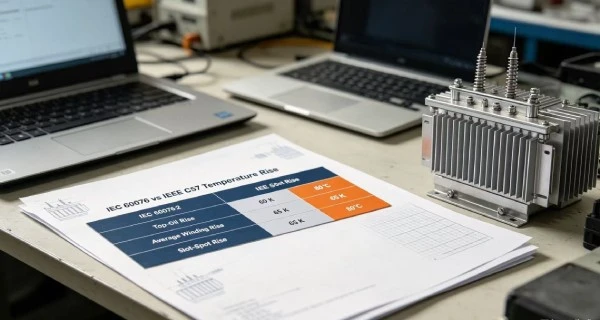
The headline numbers look close enough to be interchangeable-until you read the columns. IEC 60076-2 sets top-oil rise at 60 K and average winding rise at 65 K for liquid-immersed units. IEEE C57.12.00 puts top-oil rise at 65 °C and average winding rise at 65 °C. That 5-degree difference on top oil is not trivia. It changes radiator sizing, oil volume, and in marginal designs, whether the unit passes the heat run at all.-1-3-13
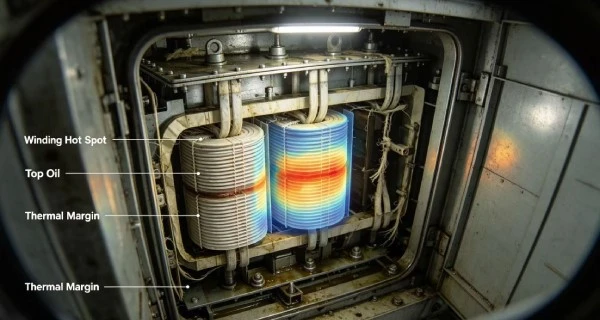
Hot-spot treatment is where the philosophies really part. IEEE C57.12.00 specifies a hottest-spot rise allowance of 80 °C and a defined method for determining it. IEC 60076-2 introduced a winding hot-spot temperature rise limit in its 2011 edition, but the calculation approach and the assumptions behind it are not identical. A design optimized to the IEC hot-spot limit may carry less thermal margin than an IEEE reviewer expects, or more, depending on cooling mode and winding geometry. Neither is wrong-they are different engineering judgments baked into different histories.-1-2
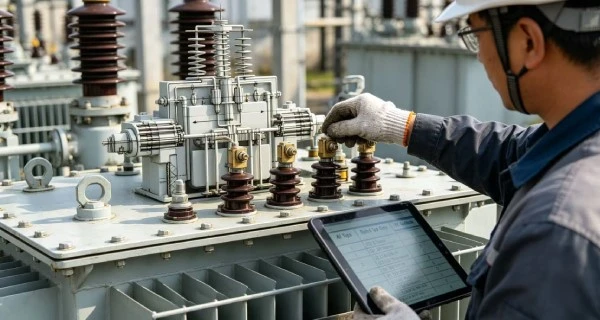
Tap position adds another wrinkle. IEEE requires all taps to meet the temperature rise limits. IEC applies the limits to the rated tap only for certain transformer categories. A specification that mixes IEC thermal requirements with an IEEE-style "all taps" expectation creates a conflict the designer has to resolve, usually by over-building.-1
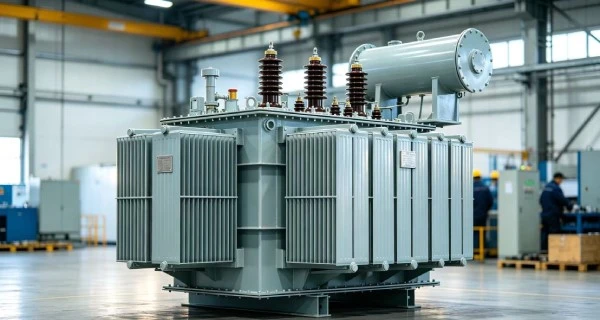
For a IEC 60076 vs IEEE C57 power transformer comparison, the practical move is to state the governing standard explicitly on the datasheet and not assume the buyer reads the same one you do. Hebei Hozee Electric Co., Ltd. manufactures oil-immersed transformers, dry-type transformers, and single-phase transformers, with laminated cores and single-phase wound cores produced in-house. When a project requires a IEC 60076 vs IEEE C57 power transformer thermal design, we work from the standard the buyer will actually test against-not a hybrid interpretation.