

Hey there! As a supplier of three-phase pole-mounted transformers, I often get asked about the noise level of these transformers. So, I thought I'd take a moment to break it down for you.
First off, let's talk about what causes the noise in a three-phase pole-mounted transformer. The main culprit is the magnetostriction of the transformer's core. Magnetostriction is a phenomenon where the core material expands and contracts when it's exposed to a magnetic field. This expansion and contraction create vibrations, which in turn produce sound waves. Another source of noise can be the cooling fans and pumps, if the transformer has them. These mechanical components can also generate noise as they operate.
Now, let's get into the nitty-gritty of the noise levels. The noise level of a three-phase pole-mounted transformer is typically measured in decibels (dB). The actual noise level can vary depending on a few factors, such as the size and capacity of the transformer, the design of the core, and the load it's carrying.
Smaller transformers, like the 50 Kva 3 Phase Transformer, generally have lower noise levels compared to larger ones. A 50 Kva transformer might have a noise level in the range of 40 - 50 dB. This is about as loud as a quiet library or a gentle rainfall. It's usually not noticeable in a residential or commercial area unless you're standing right next to it.
Moving up in size, the 100 Kva 3 Phase Transformer can have a noise level in the 50 - 60 dB range. This is similar to the noise level of normal conversation. It's still relatively quiet, but you might be able to hear it if you're close by.
Larger transformers, such as the 500 Kva 3 Phase Transformer, can produce noise levels between 60 - 70 dB. This is comparable to the noise level of a vacuum cleaner. It's more noticeable, but it's not overly loud.

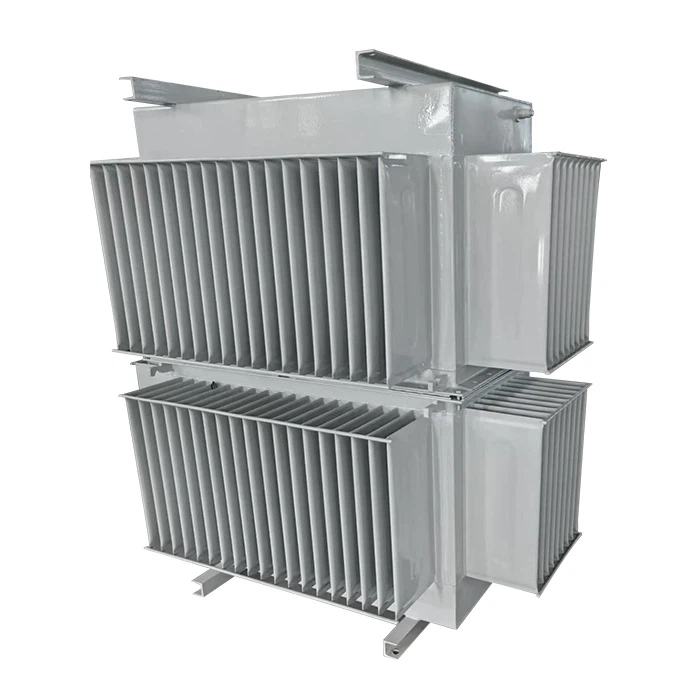
It's important to note that these are just general ranges, and the actual noise level of a transformer can be affected by other factors. For example, if a transformer is overloaded, it can produce more noise than normal. Also, the installation environment can play a role. If a transformer is installed in an enclosed space or near reflective surfaces, the noise can be amplified.
As a supplier, we take noise reduction seriously. We use advanced design techniques and high-quality materials to minimize the noise produced by our transformers. For instance, we select core materials with low magnetostriction characteristics. This helps to reduce the vibrations and, in turn, the noise level. We also pay attention to the design of the cooling system to ensure that the fans and pumps operate as quietly as possible.
In addition to the design, we also offer noise reduction options for our transformers. We can install sound enclosures or use special insulation materials to further reduce the noise. These options can be customized based on your specific requirements and the installation environment.
If you're concerned about the noise level of a three-phase pole-mounted transformer, it's a good idea to have a professional conduct a noise assessment. They can measure the noise level at the installation site and recommend the best solutions to minimize the impact.
So, why should you choose our three-phase pole-mounted transformers? Well, aside from our focus on noise reduction, we also offer high-quality products that are reliable and efficient. Our transformers are designed to meet the highest industry standards and are built to last. We have a team of experienced engineers and technicians who are dedicated to providing excellent customer service. Whether you need a small 50 Kva transformer or a large 500 Kva transformer, we can provide you with the right solution.
If you're in the market for a three-phase pole-mounted transformer, I encourage you to get in touch with us. We'd be happy to discuss your needs, answer any questions you might have, and provide you with a quote. Our goal is to help you find the perfect transformer that meets your requirements and fits your budget. So, don't hesitate to reach out and start the conversation. We're looking forward to working with you!
References
- IEEE Standard for Determination of Sound Levels of Power Transformers and Reactors
- ANSI/ASTM E90 - 19 Standard Test Method for Laboratory Measurement of Airborne Sound Transmission Loss of Building Partitions and Elements